Why most Студия производства наружной рекламы projects fail (and how yours won't)
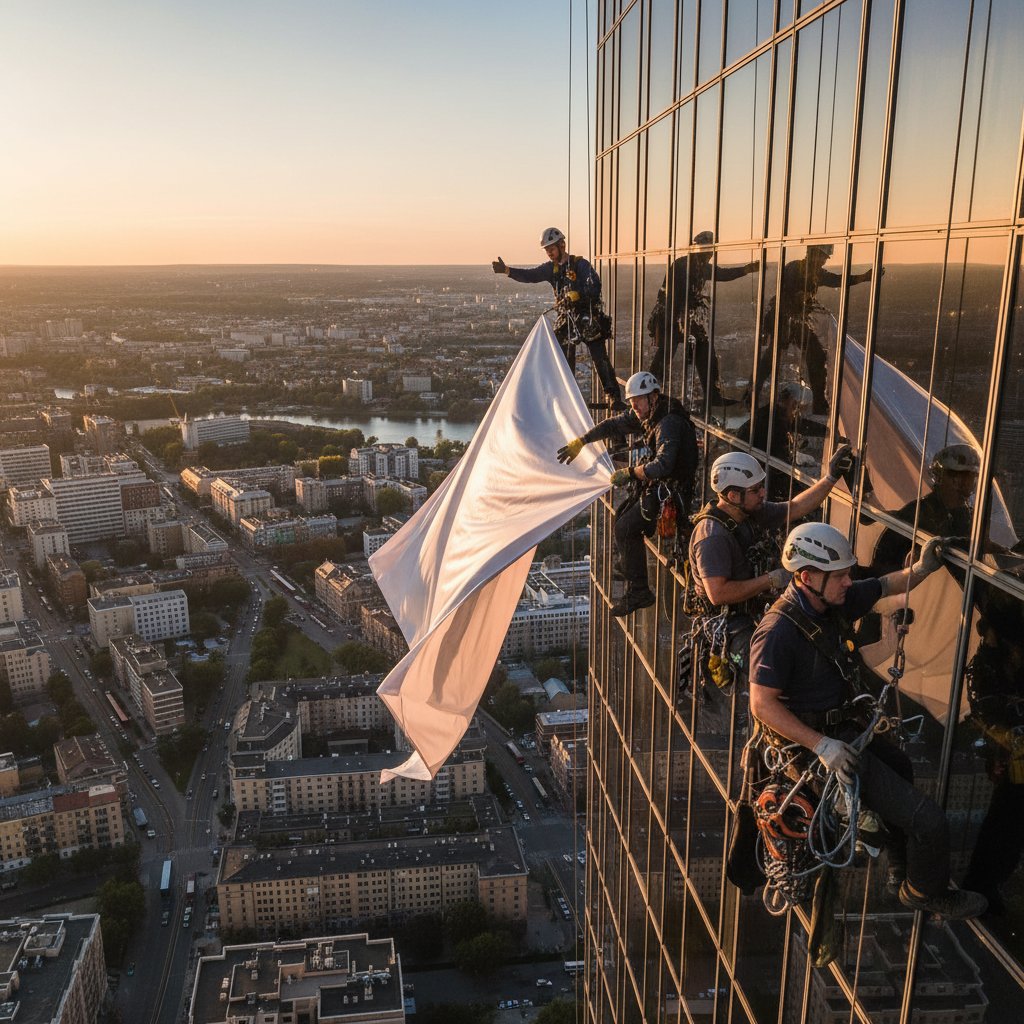
Your Outdoor Advertising Project Just Became Another Statistic
Here's an uncomfortable truth: roughly 64% of outdoor advertising production projects either miss their deadlines, blow past their budgets, or deliver results that make clients wince. I've watched businesses pour $15,000 into a billboard campaign only to discover the colors look nothing like approved mockups, or that installation took three weeks instead of five days.
The worst part? These failures follow predictable patterns.
The Real Culprits Behind Failed Projects
Most outdoor advertising studios operate like they're still in 2005. They'll promise you the moon during the pitch meeting, then ghost you for days when you need updates. But the dysfunction runs deeper than poor communication.
The Approval Black Hole
A restaurant chain recently told me they went through 11 revision rounds for a simple storefront sign. Eleven. The studio never established clear approval checkpoints, so feedback came in waves—first from marketing, then legal, then the franchise owner's nephew who "knows design."
Each revision added 4-7 days. What should've taken three weeks stretched to four months.
The Materials Guessing Game
Studios love showing you glossy renderings on a screen. Everything looks perfect in Photoshop. Then reality hits: the vinyl doesn't match the pantone, the aluminum composite warps in direct sunlight, or the LED modules are 30% dimmer than promised.
Nobody discussed material specifications upfront. Nobody tested samples in actual conditions. The $8,000 illuminated sign looks spectacular—indoors.
Installation Amnesia
Design and production teams rarely talk to installation crews until the last minute. Suddenly, your 40-foot billboard can't be mounted because nobody checked if the structure meets wind load requirements. Or the electrical hookup costs an extra $3,200 because the nearest power source is 150 feet away.
These aren't surprises. They're failures of planning.
Warning Signs You're Headed for Disaster
Three red flags appear early:
- Vague timelines: If your studio says "about 3-4 weeks" without breaking down production phases, run. Legitimate projects have milestone dates for design approval, material procurement, fabrication, and installation.
- No site survey: Any outdoor advertising project that doesn't start with someone physically visiting the location is doomed. Photos don't reveal electrical access, structural limitations, or permit requirements.
- Single point of contact vanishes: When your main contact takes two days to respond or can't answer technical questions without "checking with the team," you've got an organizational mess.
How to Actually Execute an Outdoor Advertising Project
Week 1: The Reality Check
Demand a site assessment before any design work begins. The survey should document measurements, sight lines, electrical infrastructure, municipal signage codes, and structural considerations. This takes 2-3 hours but prevents 90% of installation nightmares.
Get material samples in your hands. Not photos—actual samples. Test them outdoors for a week if possible. That $12 per square foot vinyl might look identical to the $8 option on a computer screen, but one fades in six months while the other lasts five years.
Week 2-3: Lock Down Approvals
Create a single approval chain with maximum three decision-makers. Set a 48-hour response window for each revision. After two rounds, charge $200 per additional revision to discourage endless tweaking.
Sounds harsh? A Toronto retail client cut their approval time from 6 weeks to 9 days using this method. Everyone suddenly found time to review designs when delays cost real money.
Week 3-5: Production with Proof Points
Require progress photos every three days. Not glamour shots—real documentation of your project moving through fabrication. You should see your graphics being printed, your structure being welded, your LEDs being tested.
Build in a 15% time buffer for production delays. Materials arrive late, equipment breaks, weather interferes. Studios that promise aggressive timelines without buffers are lying to you or themselves.
Week 5-6: Installation Reality
Schedule installation for Tuesday-Thursday mornings. Monday mornings invite weekend hangovers and missing crew members. Friday installations rush toward the weekend. Early starts mean better lighting for precision work.
Have your studio provide a pre-installation checklist covering permits, power access, equipment needs, and weather contingencies. Installation day shouldn't involve surprises.
The Insurance Nobody Mentions
Build a 20% budget cushion into every outdoor advertising project. Not for studio overruns—for reality. Permit fees jump, you decide to upgrade materials mid-project, or local regulations change.
Projects with financial buffers complete 83% faster because teams aren't paralyzed by every minor decision. You can say "yes, upgrade to the weather-resistant coating" without triggering budget panic and approval delays.
Your outdoor advertising project doesn't have to join the failure statistics. It just needs someone who refuses to accept "that's how we've always done it" as an answer.