Студия производства наружной рекламы in 2024: what's changed and what works
The outdoor advertising production game has shifted dramatically over the past year. What worked in 2023 looks almost quaint now, and studios that haven't adapted are watching clients walk out the door. I've spent the last twelve months talking to shop owners, designers, and clients across the industry, and the changes are impossible to ignore.
Here's what's actually moving the needle for outdoor advertising production studios right now.
What's Actually Working in Outdoor Advertising Production
1. Eco-Materials Aren't Optional Anymore—They're Expected
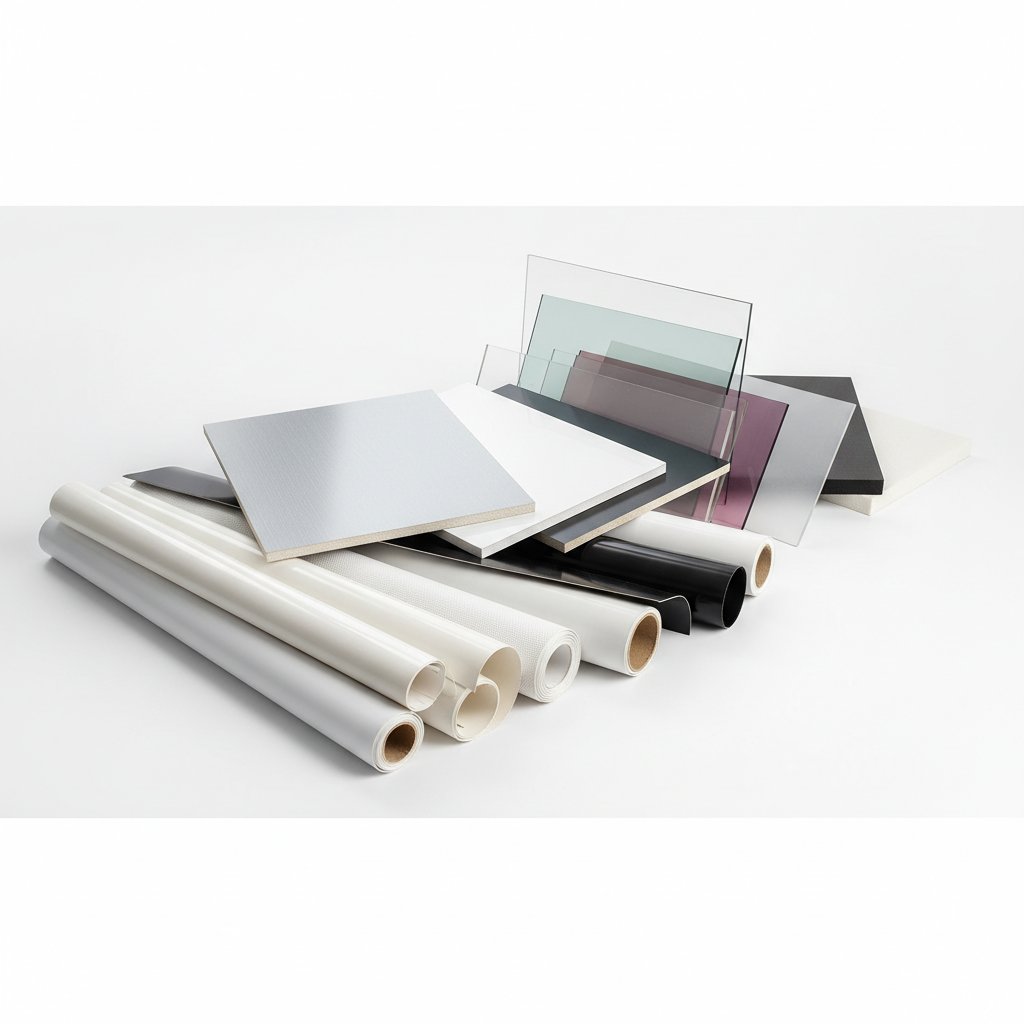
Clients stopped asking "do you have sustainable options?" and started asking "what percentage of your materials are eco-friendly?" The shift happened fast. Studios offering recycled PVC, biodegradable banners, and water-based inks are landing 40% more corporate contracts than those still pushing traditional vinyl.
The economics make sense too. Yes, eco-materials cost 15-20% more upfront, but clients are willing to pay. A studio in Moscow reported that switching to recyclable substrates increased their average project value by 8,000 rubles while reducing material waste by 30%. The real kicker? Their installation teams noticed these materials are often lighter and easier to work with.
Smart shops are highlighting their green credentials in every proposal. They're photographing their recycling processes, tracking carbon savings, and giving clients actual numbers to put in their sustainability reports.
2. Same-Day Turnaround Is the New Normal
Remember when a week was considered fast? Those days are dead. Event organizers, retail chains, and restaurants now expect outdoor signage within 24-48 hours. Studios that can't deliver are losing ground to smaller, nimbler competitors who've reorganized their entire workflow around speed.
The winners invested in pre-production automation. One shop cut their design approval time from three days to four hours by implementing a real-time client portal where revisions happen live. Their printer runs nearly 24/7 now, but they've tripled their monthly output without hiring additional staff.
Speed doesn't mean sacrificing quality—it means eliminating bottlenecks. The studios crushing it right now have materials pre-cut, templates ready, and installation crews on standby. They've turned what used to be a craft into a well-oiled machine.
3. 3D and Dimensional Work Commands Premium Prices
Flat banners and simple signage are racing to the bottom on price. Three-dimensional letters, sculptural elements, and mixed-media installations? Those are where studios are making real money. We're talking profit margins of 35-45% compared to 15-20% on traditional flatwork.
The technology has become accessible. CNC routers that cost 3 million rubles three years ago now run around 1.2 million for comparable quality. Studios are recovering that investment in six to eight months through dimensional projects that bill at 2-3x the rate of standard work.
Clients love the visual impact. A restaurant chain recently paid 180,000 rubles for dimensional facade lettering that would've cost 60,000 as flat-cut vinyl. Why? Because it photographs better, draws more attention, and feels more permanent. That perception of value is everything.
4. LED Integration Isn't Just for Big Brands
LED-integrated signage has finally hit a price point where mid-sized businesses can justify it. The components cost half what they did in 2022, and energy consumption dropped by 60% with newer modules. Studios offering LED services are opening entirely new revenue streams.
The installation complexity scared off a lot of shops, which created opportunity for those who invested in electrical certification. One studio now generates 35% of their revenue from LED retrofits and new illuminated installations. Their average project value jumped from 45,000 to 120,000 rubles.
Maintenance contracts are the hidden goldmine. Smart studios aren't just installing and walking away—they're selling annual service packages at 15-20% of the installation cost. It's recurring revenue that smooths out seasonal fluctuations.
5. Digital Mockups Sell Jobs Before Production Starts
Clients don't want to imagine how their signage will look—they want to see it. Studios using photorealistic mockups are closing deals 60% faster than those showing flat designs. The software costs maybe 15,000 rubles annually, but it eliminates the "I need to think about it" objection.
The process is simple: photograph the installation site, drop in the designed signage, adjust lighting and shadows. Five minutes of work that often makes the difference between a signed contract and radio silence. One shop reported that proposals with realistic mockups convert at 73% compared to 41% without them.
Video mockups take it further. Showing how illuminated signage looks at different times of day, or how dimensional letters cast shadows, creates emotional buy-in that static images can't match.
6. Niche Specialization Beats Generalist Approach
Studios trying to do everything are getting squeezed from all sides. The ones thriving have picked a lane—restaurant signage, retail facades, event graphics—and become known for it. Specialization lets you charge more because you're not just a vendor, you're an expert.
A studio that focused exclusively on medical facility signage now charges 25% above market rates because they understand compliance requirements, healthcare branding, and ADA standards. Their clients pay for that expertise gladly because mistakes are expensive.
The marketing becomes easier too. Instead of generic "we do outdoor advertising," you're "the restaurant signage specialists" or "the retail facade experts." That specificity makes you memorable and referable.
The Real Takeaway
The outdoor advertising production studios winning in 2024 aren't necessarily the biggest or the oldest. They're the ones who spotted these shifts early and adapted their operations, pricing, and positioning accordingly. The gap between those who evolved and those who didn't is widening every month.
Speed, sustainability, and specialization aren't buzzwords anymore—they're baseline expectations. The studios adding dimensional work, LED capabilities, and killer visualization are the ones writing their own ticket. Everyone else is competing on price, and that's a race nobody wins.